
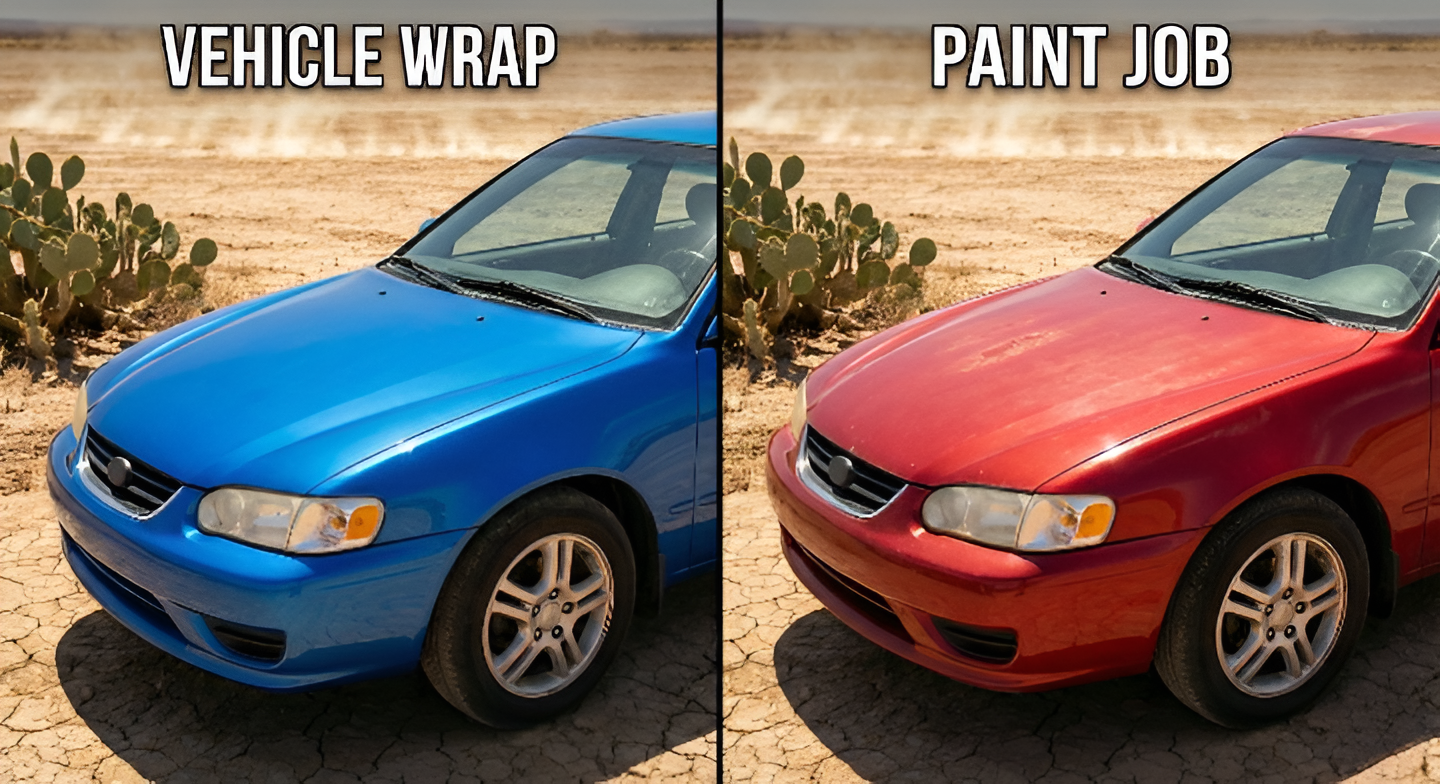
Vehicle Wrap vs Paint Job: Which Is Better in Arizona Heat?
If you live in Arizona, you already know that the sun is no joke. With summer temperatures often exceeding 100°F and year-round intense UV exposure, your vehicle’s exterior takes a serious beating. Whether you drive a personal car, a truck, or a commercial fleet vehicle, protecting and upgrading your vehicle’s appearance requires careful consideration.
One of the most common questions Arizona vehicle owners ask is:
Should I choose a vehicle wrap or a traditional paint job?
Both options can dramatically transform your car, but the desert climate changes the equation. In this guide, we’ll break down durability, cost, maintenance, aesthetics, and long-term value so you can make the right decision for Arizona heat.
Understanding Arizona’s Climate Impact on Vehicles
Before comparing vehicle wraps and paint jobs, it’s important to understand the environment.
Arizona heat causes:
- UV damage and fading
- Clear coat oxidation
- Cracking and peeling
- Surface discoloration
- Faster material breakdown
Because of constant sun exposure, materials that perform well in moderate climates may not hold up the same way here. That’s why durability and heat resistance are critical factors.
What Is a Vehicle Wrap?
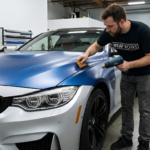
A vehicle wrap is a high-quality vinyl film applied directly over your car’s original paint. It can completely change the vehicle’s color or add custom graphics for branding.
Modern wraps use premium vinyl materials designed to resist UV damage and high temperatures. Brands like 3M and Avery Dennison manufacture wraps specifically engineered for harsh outdoor environments.
Wraps can be:
- Full color change
- Partial wrap
- Commercial branding wrap
- Matte, gloss, satin, or textured finishes
They are removable and protect the original paint underneath.
What Is a Traditional Paint Job?
A paint job involves sanding down the surface and applying primer, base coat, and clear coat layers. High-quality automotive paint can look incredible when done correctly.
Paint options include:
- Solid colors
- Metallic finishes
- Pearlescent tones
- Custom blends
However, repainting permanently alters the vehicle and requires proper curing and long-term maintenance.
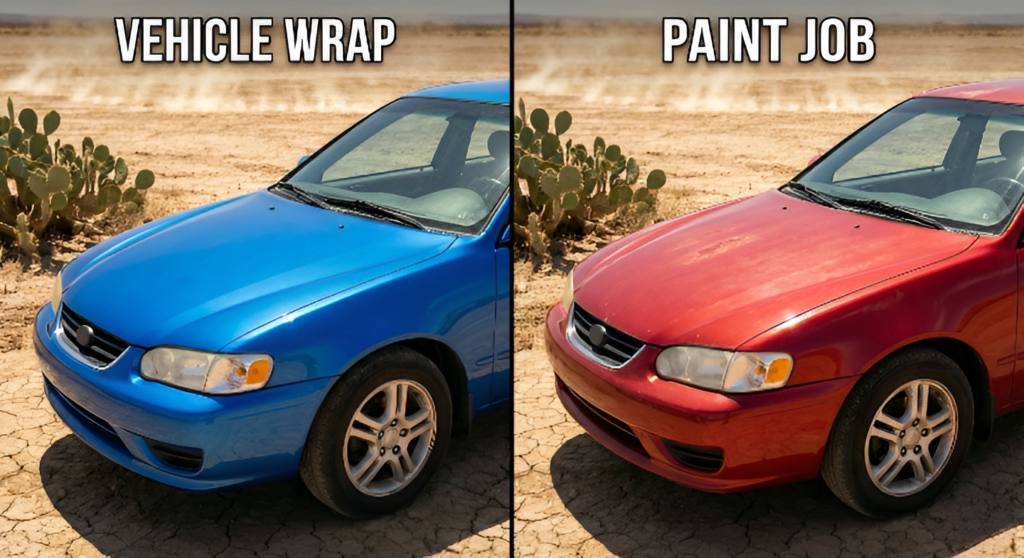
Durability in Arizona Heat
This is where the real comparison begins.
Paint in Extreme Heat
Arizona’s UV exposure can cause:
- Clear coat fading
- Oxidation
- Peeling
- Cracking
Even factory paint can deteriorate quickly without regular waxing and maintenance. A low-quality repaint may fade within a few years in direct sun.
High-end paint jobs with proper UV-resistant clear coat can last longer, but they are significantly more expensive.
Vehicle Wraps in Extreme Heat
High-quality vinyl wraps are built with UV inhibitors. In Arizona conditions, a professionally installed wrap typically lasts:
5–7 years with proper care
Wraps are designed to:
- Resist UV damage
- Withstand high temperatures
- Prevent oxidation of original paint
Additionally, the vinyl acts as a protective barrier against sun exposure. When removed, the paint underneath is often in better condition than exposed paint.
In desert climates, wraps often perform surprisingly well compared to paint, especially when properly maintained.
Cost Comparison
Paint Job Cost
In Arizona, a quality paint job can cost:
- Basic repaint: $3,000–$5,000
- High-end custom paint: $6,000–$15,000+
Cheaper paint jobs may look good initially, but often fade quickly in harsh sunlight.
Vehicle Wrap Cost
A full vehicle wrap typically ranges:
- Car wrap: $2,500–$4,000
- Truck wrap: $3,000–$5,000
- Commercial wrap varies depending on design
Wraps are often more affordable than premium paint jobs, especially when factoring in customization.
For businesses, wraps also double as advertising, which makes them even more cost-effective.
Customization Options
Paint Limitations
While paint offers beautiful finishes, custom graphics or branding through paint can be extremely expensive. Intricate designs require skilled artists and significant labor time.
Changing colors again later requires repainting the entire vehicle.
Wrap Flexibility
Vehicle wraps allow for:
- Unlimited color choices
- Matte, satin, chrome, carbon fiber finishes
- Printed graphics
- Logos and branding
- Easy color changes
If you decide to switch designs later, the wrap can be removed and replaced without damaging the original paint.
For Arizona drivers who want bold designs or commercial branding, wraps provide much more flexibility.
Maintenance in the Arizona Climate
Paint Maintenance
To maintain paint in Arizona, you must:
- Wash regularly
- Apply wax frequently
- Use ceramic coating
- Park in shade whenever possible
Without maintenance, oxidation is common due to sun exposure.
Wrap Maintenance
Wraps require:
- Gentle washing
- Avoiding harsh chemicals
- Minimal waxing (depending on finish)
Unlike paint, wraps don’t require constant polishing or heavy maintenance. Matte and satin wraps especially need simple care.
In the Arizona heat, wraps are often easier to maintain compared to traditional paint.
Resale Value Considerations
A high-quality paint job can add value if done correctly. However, poorly executed paint may reduce resale value.
Wraps protect the original paint. When removed, the factory finish underneath often looks newer. This can help maintain resale value.
For leased vehicles, wraps are particularly beneficial because they can be removed before returning the vehicle.
Which Option Is Better for Businesses?
For businesses in Arizona, vehicle wraps offer clear advantages:
- 24/7 mobile advertising
- Brand visibility
- Custom graphics
- Lower cost compared to painted graphics
In cities like Tucson and Phoenix, commercial vehicle wraps are highly effective due to high traffic visibility.
A wrapped vehicle acts as a moving billboard every day.
Environmental Factors
Arizona heat causes materials to expand. Poor-quality paint or vinyl may bubble if not installed properly.
The key is professional installation.
A professionally installed wrap ensures:
- Proper surface preparation
- Correct heat application
- Seamless edges
- No lifting or peeling
The same applies to paint. Low-budget options fail quickly in desert conditions.
Final Comparison
Here’s a simple breakdown:
| Factor | Vehicle Wrap | Paint Job |
|---|---|---|
| Cost | Moderate | Expensive |
| Customization | Very High | Limited |
| Durability in Heat | 5–7 years | Depends on quality |
| Maintenance | Easier | Requires waxing |
| Removable | Yes | No |
| Business Branding | Excellent | Costly |
So, Which Is Better in Arizona Heat?
For most Arizona vehicle owners, especially in high-UV environments, a professional vehicle wrap offers:
- Strong heat resistance
- Paint protection
- Design flexibility
- Better value for money
- Easier maintenance
Traditional paint still works well for classic restorations or permanent color changes. However, for modern customization and commercial branding, wraps often provide a smarter long-term solution.
Conclusion
Arizona’s climate demands durable, heat-resistant solutions for vehicle exteriors. When comparing a vehicle wrap vs. a paint job, the decision ultimately depends on your goals.
If you want flexibility, protection, and cost-effective customization, a high-quality vinyl wrap is often the better choice for desert conditions.
If you want a permanent factory-style finish and are prepared for higher costs and maintenance, paint may suit you.
For vehicle owners in Arizona looking for durability and visual impact, wraps continue to grow in popularity and for good reason.